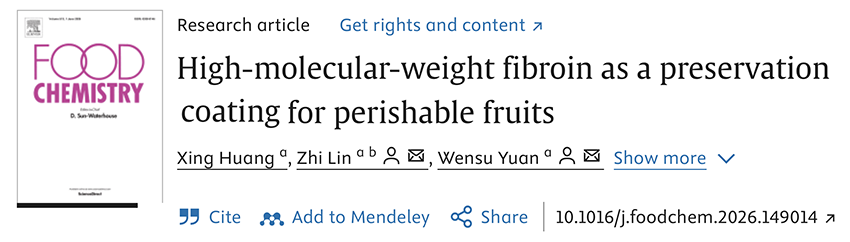
A fibroin coating that keeps fruit fresh
High-molecular-weight fibroin forms a preservation coating that slows spoilage in perishable fruits — including avocados held 12 days at 25 °C.
Read the paperHigh-molecular-weight fibroin forms a preservation coating that slows spoilage in perishable fruits — including avocados held 12 days at 25 °C.
Read the paper
The purinergic receptor PA2072 senses extracellular ATP and allosterically retunes intracellular c-di-GMP signaling — a lever on biofilm expansion.
Read the paper
Intrinsically disordered linkers and terminal domains co-drive aciniform spidroin self-assembly through liquid–liquid phase separation.
Read the paperResearch in Lin Lab focuses on protein structures, functions and engineering.
Project 1
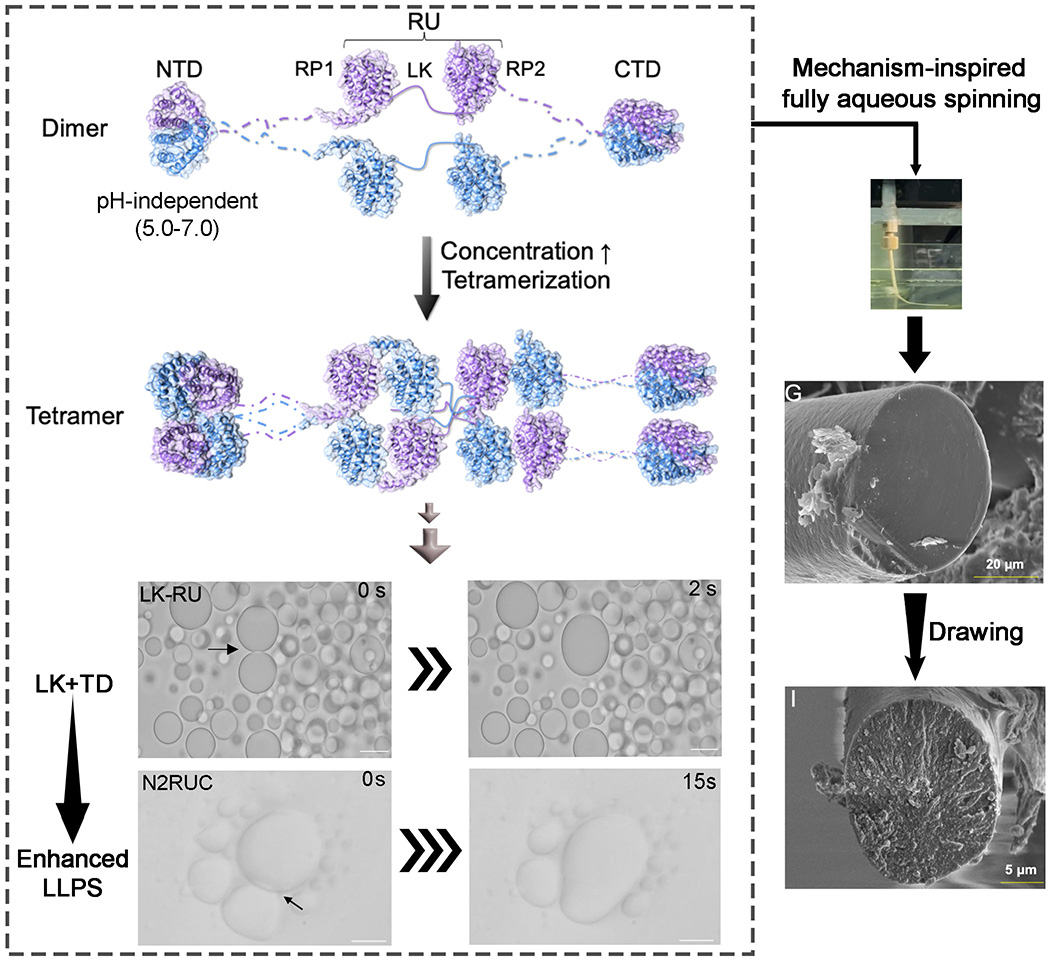
Silks are proteinaceous biopolymers with extraordinary physical properties and biomimetic potential. This research focuses on the structure-based engineering and design of fibroins to produce artificial silk-based biomaterials with desirable and tunable mechanical properties for potential medical, industry, and military applications. Inspired by synthetic biology, we are also teaming up with our collaborators to generate novel artificial spider silks from prokaryotic and entomic systems.
1.1
References
1.2
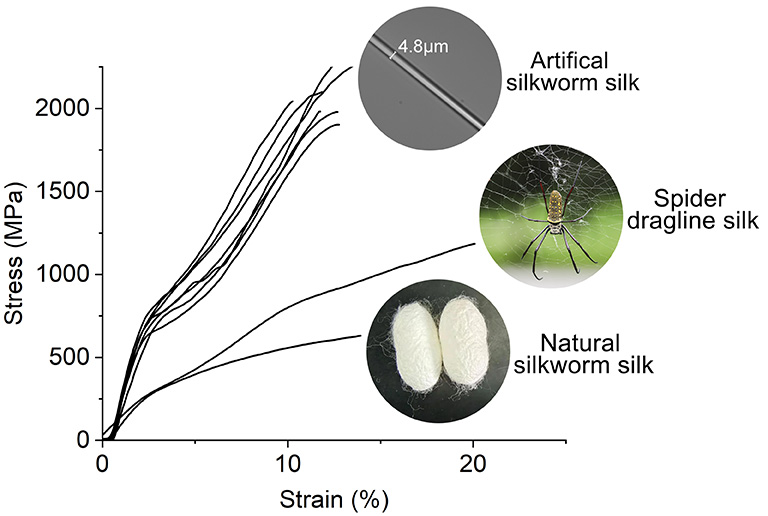
References
1.3
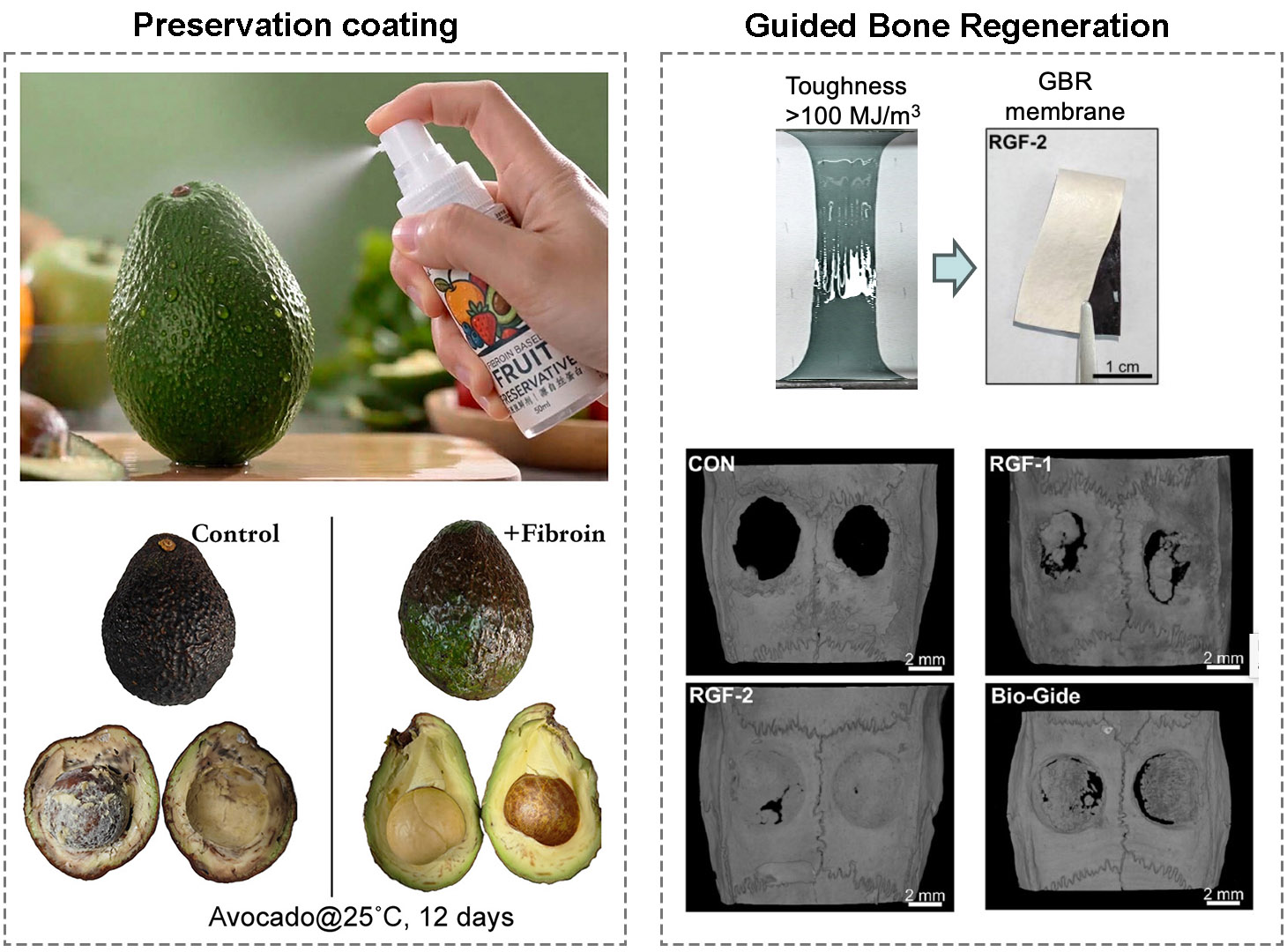
References
Project 2
Signaling proteins play crucial roles in the regulation of diverse physiological effects. This research targets a variety of signaling proteins related to human development and diseases, including neurodegenerative diseases, cancers, and microbial infection.
2.1
Death receptors, such as p75 neurotrophin receptor (p75NTR), are members of the tumor necrosis factor superfamily and their signaling actively contributes to cell survival or apoptosis. The aims of this project is to elucidate structural mechanisms of death receptor signaling for regulation and control of diverse functional outputs.
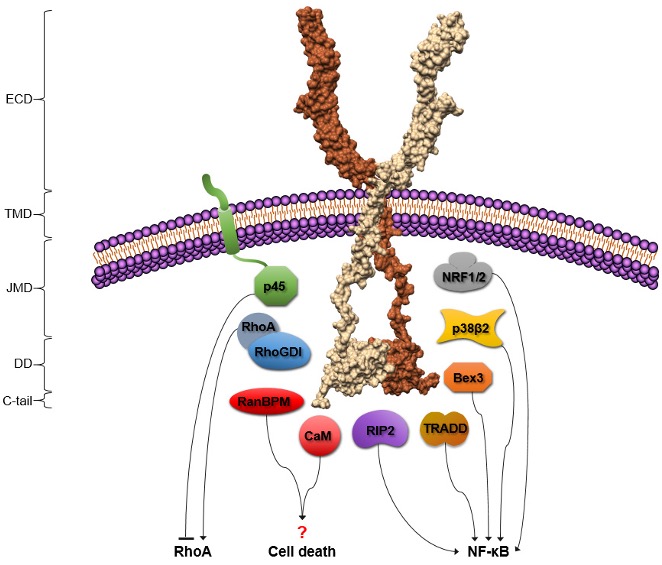
References
2.2
Cyclic di-GMP, an important secondary messenger, is primarily produced in microorganisms, especially bacteria. It is synthesized by diguanylate cyclases (DGCs) that contain the GGDEF domain and degraded by phosphodiesterases (PDEs) that contain EAL and/or HD-GYP domains. This project aims to elucidate the structure and functions of various c-di-GMP metabolizing proteins that play a crucial role in pathogenesis and drug resistance.
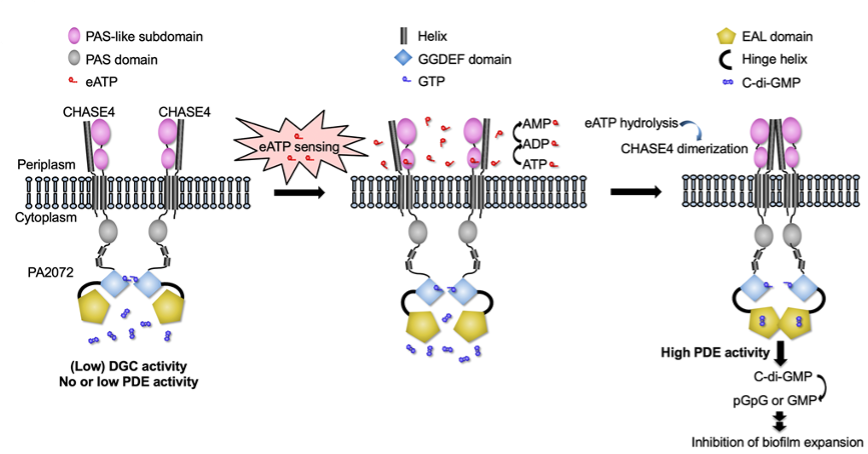
Reference
2.3
Leptin is a multi-potency cytokine that regulates various physiological functions, including weight control and energy homeostasis. Signaling of leptin is also important in many aging-related diseases. This project seeks to understand structural plasticity of leptin for receptor recognition and activation.
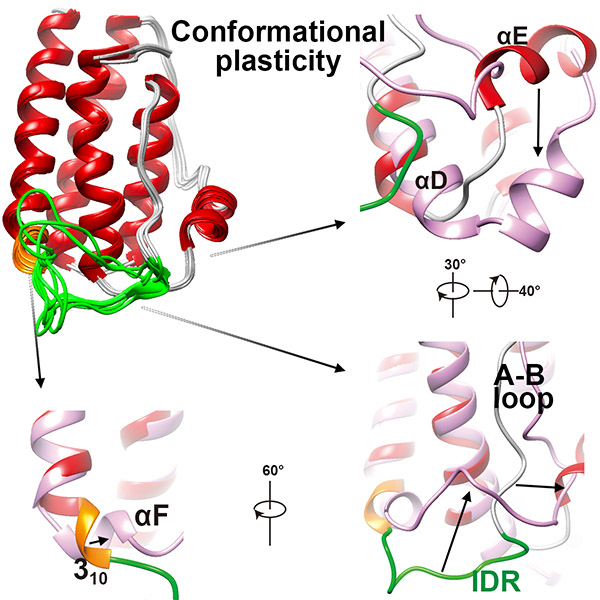
Reference
Five representative papers
# Co-first author · * Corresponding author · Titles with a DOI link to the publisher.
Professor · Principal Investigator
Lin Zhi leads the lab's research at the interface of protein structure, function and engineering, encompassing early NMR studies of spider eggcase silk proteins and subsequent work on artificial fibers and fibroin-based materials, alongside investigations into the molecular mechanisms of death-receptor signaling.
Associate Professor
Ph.D in Biology
Industrial Supervisor
Doctorate in Health Management
Postdoc · Assistant Researcher
Ph.D in Biology
Graduate students and postdocs interested in biochemical and biophysical research are welcome to contact Lin Zhi with a CV. Only shortlisted candidates will be contacted.